



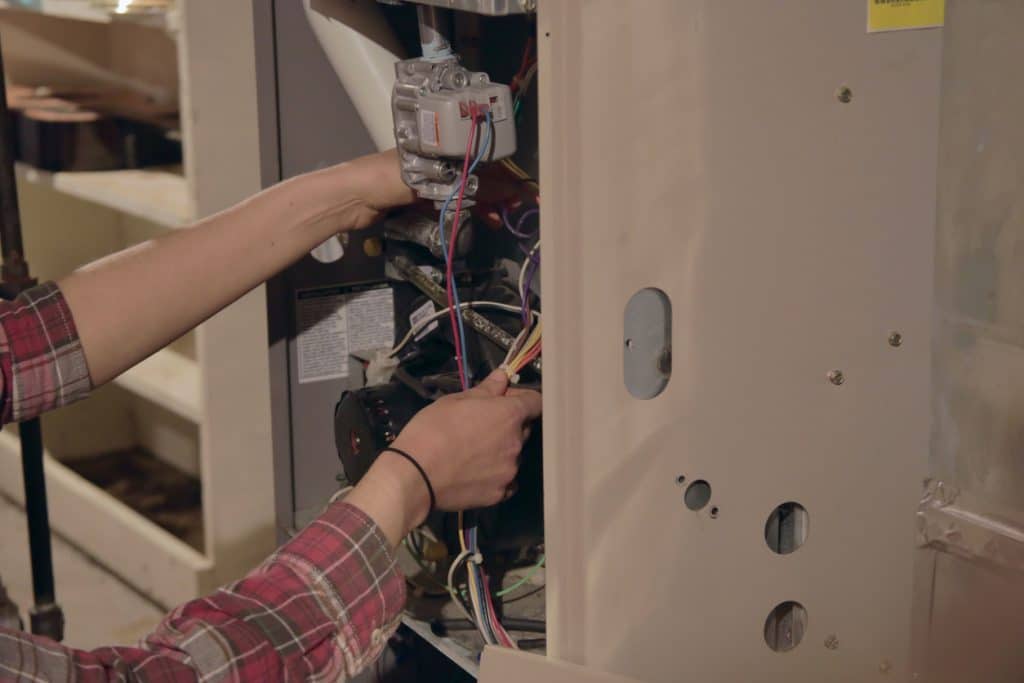
Furnaces are usually powered by electricity, oil, or natural gas. Regardless of the specific fuel source, a heat exchanger warms the air before it’s pushed through ductwork to keep consistent indoor temperatures. Learn more about the typical costs of installing and using a furnace as well as some pros and cons of these appliances.
Why Furnaces Remain a Go-To Heating Solution
The primary advantage of installing a furnace is its ability to provide consistent heating throughout your entire home. Unlike space heaters and other alternative heating systems, a furnace is designed to distribute warmth evenly across multiple rooms. Overall comfort is improved. Cold spots are eliminated.
Modern furnaces do this with tremendous energy efficiency. High-efficiency models, in particular, convert a substantial portion of their fuel into usable heat. This efficiency can reduce monthly utility costs over time, possibly offsetting some of the initial installation expense.
The right furnace can also improve property value. Buyers frequently prioritize homes with dependable central heating systems; this is particularly true in colder climates where reliable heat is essential more than optional. A newer furnace can signal to buyers that the home they’re looking at has been well-maintained.
Also, furnaces tend to have long operational lifespans, provided they are professionally installed and regularly maintained. This longevity can make upfront costs more manageable if you view a furnace as a long-term investment instead of a short-term expense.
Where Furnace Installation Can Fall Short
Despite their power, furnaces can have drawbacks. The most immediate one is the startup cost, including labor, equipment, and potential upgrades to ventilation or ductwork systems. These expenses can be significant, particularly for high-efficiency models or residences that require system modifications.
Furnaces also need a consistent fuel source. Fluctuating energy prices can affect long-term operating costs, making budgeting less predictable. A natural gas furnace might require more equipment to connect to the fuel supply, and supply chain disruptions are another risk.
Also, furnaces need routine professional servicing in order to maintain safe operations and functional efficiency. Neglecting maintenance can result in performance issues now and reduced system lifespan later, contributing to a higher overall cost of ownership.
Making the Call on Furnace Investment
A furnace might be an effective choice if you’re looking for dependable whole-home heating in a colder climate, especially when comfort and resale value are priorities. That said, ongoing maintenance, high upfront costs, and energy considerations might motivate you to explore alternative heating solutions. Furnace technology works, but you need to decide if it would work well for your home. If you live in Asheville, NC or a surrounding area and need furnace services, make your first call to Cool Cat Heating & Cooling.